A Warm Review of the Grandkids Embroidery Design
In the world of embroidery designs meant for gifts and personalization, the title Grandkids instantly sets a certain mood. It’s hopeful, affectionate, and proudly sentimental. Before I even open the file, I’m imagining a finished piece—the kind of item that doesn’t just sit on a shelf but gets worn, used, and genuinely cherished. This isn’t a generic graphic; it’s a statement of identity and love. That emotional weight is the design’s biggest asset, and as a designer preparing it for real projects, my job is to translate that feeling into a beautiful, durable stitch.
First Impressions: Where This Design Naturally Belongs
The Grandkids design, by its very theme, belongs on items meant for presentation and display. My first thought is that it’s perfect for a custom sweatshirt or a sturdy tote bag—something a grandparent would use regularly and publicly. The design’s personality is celebratory. It feels like it would be the centerpiece of a gift, not a subtle accent. The layout and detail level suggested by the description point towards a composition that’s likely balanced and clear, meant to be read and appreciated at a glance. This isn’t a tiny, intricate motif; it’s a proclamation.
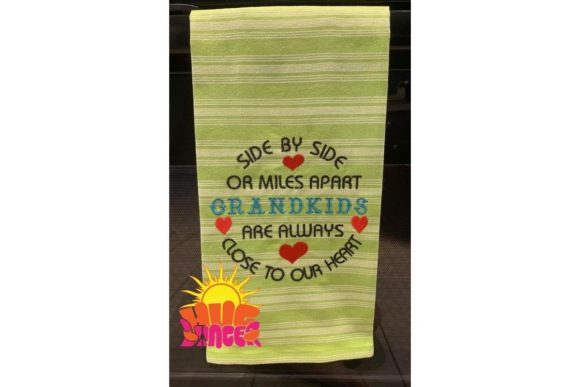
For small business owners and Etsy sellers, this translates directly to products with high giftability. Think holiday embroidery, birthday presents, or even wedding gifts for new grandparents. A Grandkids design stitched onto a premium kitchen towel or a cozy pillow cover instantly elevates a simple item into a personalized heirloom. The visual appeal is tied directly to the customer’s personal story, which is a powerful driver for engagement and sales in a handmade market.
Stitching It Into Reality: Performance on Actual Products
Let’s walk through a real scenario. I’m considering this design for a client who wants a custom embroidered hoodie as a gift. The description urges “Hurry up and get this design stitched to a nice t-shirt or hoodie,” which confirms its intended home on apparel. My practical judgment starts here.
On a mid-weight sweatshirt, with proper stabilizer, I expect the design to perform well. The stitch density will be key. If the design uses large fill stitch areas for letters or shapes, it should feel substantial and rich. However, dense stitching on a stretchy fabric like a t-shirt requires extra care to prevent puckering. For a baby embroidery project—say, on a blanket or a little knit cap—I’d be more cautious. The smaller hoop sizes needed for baby items might require checking that the design’s details, especially any smaller text elements, remain clear and don’t get lost in a tight space.
The design’s clarity on dark fabric versus light fabric is another critical test. I always advise crafters to run a simple black-and-white mockup on screen to see how the elements contrast. If the Grandkids design relies on negative space or fine lines, it might need a different thread strategy for a dark background to maintain its visual punch. This directly affects the professionalism of the finished product and, ultimately, customer trust. A crisp, clean stitch on any background makes the item look expertly made.
Handling the Details for Commercial Use
For creative entrepreneurs using this as a digital embroidery file for commercial projects—say, producing a line of embroidered patches or aprons for a small shop—the considerations shift slightly. The design’s scalability is important. Will it still look balanced and attractive when stitched smaller for a cap or larger for a blanket? The stitch density also impacts production time and thread usage, which matters for pricing your handmade products.
Items that need frequent washing, like tea towels or everyday apparel, demand robust stitching. Areas with very small lettering or detailed corners can be vulnerable over time. A practical note here: always test the design on scrap fabric first, using the same material and stabilizer you plan for the final product. This reveals any potential issues with thread tension or design integrity that you can’t see on a digital preview.
Strategic Placement and Careful Applications
While the Grandkids design feels versatile, there are places I’d use it carefully. On highly textured fabrics like some blankets, the design’s clarity might soften. On thin, lightweight fabrics, the stabilizer choice becomes paramount to support the design’s structure. Curved surfaces like caps present a challenge for any design with a wide, linear layout; hooping and positioning require extra attention to keep the design looking centered and intentional.
The design’s value in craft business is its strong thematic focus. It fits perfectly into a niche. For an Etsy seller specializing in personalized gifts, this design could be a cornerstone product, offered on a range of items from tote bags to pillow covers. Its recognizability is its selling point. However, brand consistency matters. If your shop style is minimalist, the design’s potential boldness might need to be considered in your overall presentation mockups.
A Final Note for Fellow Makers
Before you commit this design to a final project, especially for commercial sale, do your due diligence. The description mentions it “comes with mult,” which likely indicates multiple file formats. Confirm the exact hoop size requirements and machine compatibility for your specific equipment. Crucially, check the licensing terms. Is this machine embroidery design cleared for use in commercial embroidery projects where you sell the finished physical product? Can you use it in digital product previews and printable mockups for your store? Never assume.
The Grandkids embroidery design, when stitched well on a suitable product, creates a powerful emotional connection. It turns a simple garment or home good into a story. For designers and makers, that’s the real project gold. By testing thoroughly, choosing the right fabric and stabilizer combo, and applying it where its personality shines, you can create a finished product that grandparents will indeed be proud to wear—and that your customers will be proud to give.