Utah Home State Outline: A Thoughtful Embroidery Gift Design
First Impressions: Charm, Clarity, and Quiet Pride
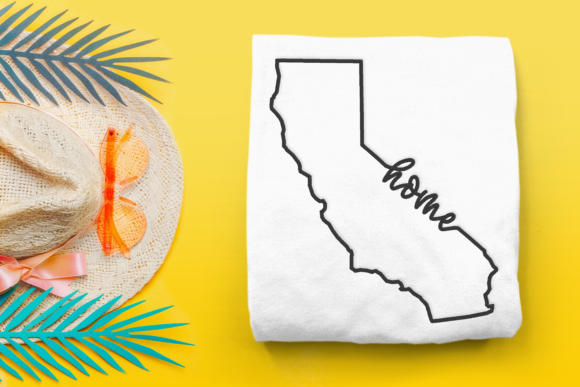
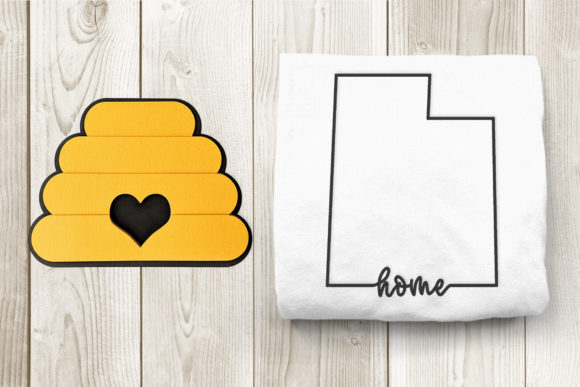
As an embroidery designer who’s stitched hundreds of state-themed pieces for baby blankets, wedding keepsakes, and boutique kitchen goods, the Utah Home State Outline landed with immediate warmth. It’s not flashy—it’s grounded. The clean outline of Utah flows naturally, and the word “home” nestles into the shape like it belongs there, not tacked on. There’s no clutter, no excessive embellishment—just confident, quiet pride. It feels handmade without being rustic, modern without losing timelessness. For customers seeking meaning over trend, this design speaks softly but memorably. It reads as elegant and heartfelt—ideal for a personalized gift that honors roots, family history, or a beloved place.
Where This Design Truly Shines
The Utah Home State Outline is remarkably versatile across high-demand personalized categories:
- Baby embroidery: Stitched on a soft cotton receiving blanket or onesie (with careful stabilizing), it becomes a tender heirloom—especially for families with Utah ties or those who met, married, or began their journey there.
- Wedding gift: Embroidered onto linen pillow covers or a custom tote for the couple’s getaway bag, it adds sentimental weight without competing with monograms or florals.
- Nursery decor & blanket embroidery: On a neutral muslin wall hanging or organic cotton swaddle, the simplicity lets the message breathe—and photographs beautifully in natural light.
- Embroidered towel & apron: Works cleanly on terry cloth (with cutaway stabilizer) and medium-weight cotton canvas. The open outline avoids bulk, so it stays functional and soft to the touch.
- Etsy seller & small shop product: As a digital embroidery file, it pairs perfectly with curated listings—think “Utah-born baby bundle” or “Mountain State Wedding Set.” Its clarity makes printable mockups pop, boosting buyer confidence before purchase.
Smart Placement Matters—Know When to Pause
This isn’t a one-size-fits-all workhorse. Its strength lies in intentionality—not density. Use caution when applying the Utah Home State Outline to:
- Stretchy or thin baby clothes: The outline relies on clean edges; knit fabrics may distort stitching unless hooped tightly with lightweight tear-away + topping.
- Textured or thick fabrics: Heavy waffle-weave towels or dense quilting cotton can obscure fine line definition. Always test stitch density and needle size first.
- Curved surfaces (like mugs or curved tote straps): Not applicable—this is a flat embroidery file meant for fabric only.
- Dark fabric without contrast testing: That delicate “home” integration fades if thread color lacks sufficient value difference. Always run a light/dark fabric mockup side-by-side.
- Products requiring frequent washing: While durable with quality thread and stabilizer, avoid placing near seams or high-friction zones (e.g., towel hems) unless you’ve verified wash-fastness in your own test run.
Why It Builds Trust—and Drives Sales
In today’s handmade marketplace, customers don’t just buy stitches—they buy meaning, reliability, and emotional resonance. The Utah Home State Outline delivers all three. Its balanced proportions and intentional negative space signal craftsmanship, not clipart. That perception lifts perceived value instantly: a $28 embroidered pillow cover feels like a $45 keepsake. For Etsy sellers and local craft fair vendors, it also simplifies storytelling—“hand-stitched in honor of home” needs no explanation. And because it’s clean and scalable, it photographs well across devices, increasing engagement and reducing cart abandonment. When buyers recognize authenticity in the details—even subtle ones like smooth curve transitions—they’re more likely to return, tag friends, and leave thoughtful reviews.
Practical Embroidery Notes You Can’t Skip
Before adding the Utah Home State Outline to your production queue—or listing it as part of a custom embroidery service—run these checks:
- Test on scrap fabric that matches your intended product (e.g., terry cloth for towels, cotton sateen for pillow covers).
- Confirm hoop size compatibility—some versions scale down tightly, and tiny lettering in “home” may need minimum dimensions to stay legible.
- Review stitch density: Too sparse = fragile edges; too dense = stiff texture. Aim for balance—especially on baby-soft items.
- Match stabilizer to fabric: Cutaway for knits and towels, tear-away for stable wovens, and lightweight topping for napped surfaces.
- Compare thread colors on light and dark fabric—what reads clearly on ivory may vanish on charcoal unless contrast is deliberate.
- Inspect small details post-stitch: Zoom in on where “home” meets the state border—clean junctions matter for professional finish.
- Verify commercial licensing before selling finished products. As a digital embroidery file, its use in physical goods hinges on clear terms—don’t assume.
A Design That Fits Right In
The Utah Home State Outline doesn’t shout. It settles—in a nursery corner, on a wedding guest’s tote, folded into a new parent’s welcome basket. It’s the kind of machine embroidery design that feels earned, not applied. For embroidery makers building trust through consistency, for gift shop owners curating soulful inventory, and for Etsy sellers turning geography into gratitude—it’s a quiet, confident choice. Rooted in North America’s landscape and refined through embroidery craft, it reminds us that sometimes the most powerful personalized gift isn’t what’s said—but where it’s from, and why it matters.