Kansas Patch: A Designer's Take on State Pride Embroidery
When a design titled Kansas Patch lands in my library, my first thought isn't just about the files—it's about the story it tells on fabric. This design, squarely in the North America category, presents a classic opportunity for crafters and entrepreneurs. As a designer who regularly stitches for clients and my own shop, I look at it through a practical lens: will it stitch cleanly, will it sell, and where does it truly belong?
The First Stitch Impression: More Than Just Geography
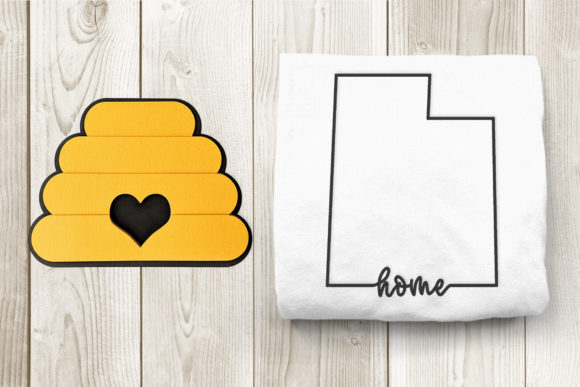
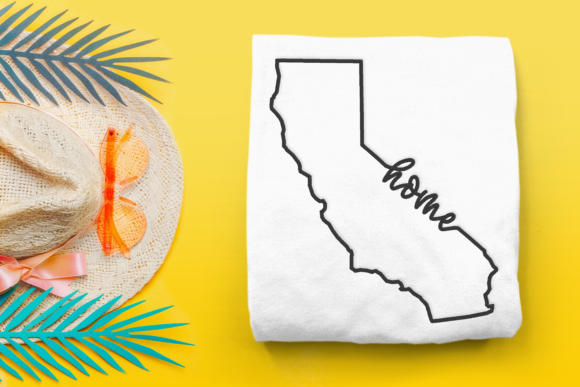
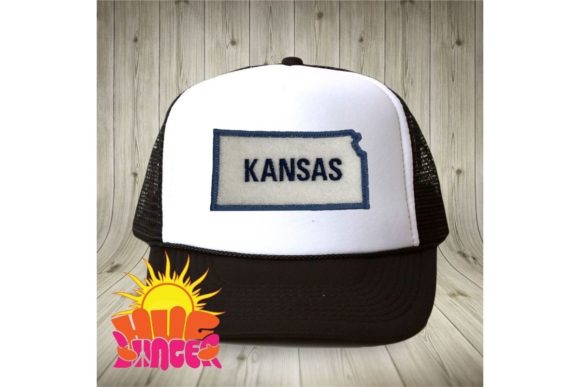
The immediate mood of the Kansas Patch is friendly and declarative. It's not a subtle, intricate map; it's a statement piece. The layout, with its bold typography and clear focus on the state outline, feels ready for action. This isn't a design meant for a tiny corner of a napkin—it's designed to be seen. Its visual personality is straightforward and proud, which is exactly what you want for a state-themed piece. It naturally belongs to projects where the message is the main event: a tote bag for a local market vendor, a sweatshirt for a university alum, or a patch for a collector's jacket.
Where This Design Finds Its Home
In real-life embroidery projects, this Kansas Patch shines on certain canvases. I envision it stitched onto a heavyweight cotton tote bag—the kind sold at craft fairs—where the stitch density can hold up to daily use. It would be a standout on the back of a denim jacket, transformed into an embroidered patch. For small business merchandise, like a coffee shop apron in Kansas, it adds instant localized charm.
Think about personalized gifts: a crisp, white tea towel with this patch becomes a thoughtful wedding present for a couple moving to the state. On a child's baby embroidery blanket, it could be a sweet nod to family roots. For Etsy sellers and craft business owners, this design is a ready-made design asset for creating region-specific products. It easily integrates into printable mockups for digital storefronts, allowing sellers to preview the finished product quickly.
Practical Performance on the Machine and Market
Performance is where theory meets the hoop. For custom apparel like t-shirts and sweatshirts, the design's likely use of satin stitch for borders and fill stitch for the lettering needs careful consideration. On stretchy fabrics, a robust stabilizer is non-negotiable to prevent puckering, especially around the state's outline. The clarity of the small lettering inside the patch is crucial; on a dark fabric like a black cap, you must ensure your thread colors provide enough contrast so the text remains legible. This directly affects stitching clarity and, ultimately, customer trust in your handmade product.
Spots Where a Designer's Caution is Key
There are applications where I'd use this Kansas Patch carefully. Tiny hoop sizes might compress the details too much, losing impact. On thin fabric like a delicate linen pillow cover, the overall stitch count could be too dense, creating a stiff, heavy feel. Embroidering it on a curved surface like a baseball cap requires testing to ensure the design's corners don't distort. For products destined for frequent washing, like kitchen towels, a tight, secure stitch construction is vital for longevity.
The design's success hinges on those small details. Before running it for a client project or a batch of small shop products, I always test the design on scrap fabric first. I match it to the final project's fabric texture, review stitch density by feeling the stitched sample, and inspect small details like the state's name under magnification. I also test it in black and white mockups and compare light and dark fabric backgrounds to visualize it for all my potential listings.
Beyond the Stitches: Value, Appeal, and Professionalism
How does this Kansas Patch affect the broader appeal of your work? For a creative entrepreneur, a well-executed state design adds product value through its specificity. It shows attention to niche markets. For a boutique product, it enhances brand consistency if your shop celebrates local themes. As a holiday embroidery gift, it has high giftability and instant recognition.
A clean, professional stitch of this patch speaks volumes. It tells your customer you care about craftsmanship. That handmade presentation builds buyer engagement and can turn a simple cap into a conversation-starting item. In commercial embroidery settings, using a clean, widely compatible embroidery file—which this design comes in multiple formats for—ensures smooth production runs.
The Essential Designer Checklist Before Hooping
My final notes before I'd commit this Kansas Patch to a project are always practical. First, I confirm hoop size requirements. The product description mentions it comes with multiple embroidery file formats and can be used with multiple machines, but I'd verify the exact formats and my machine's compatibility. Crucially, I check whether the design works for both personal and commercial projects. I must confirm licensing before selling finished items or digital products. The description doesn't specify license terms, so that's a mandatory step for any business use.
In the end, the Kansas Patch is a straightforward, mood-positive design with clear commercial and personal appeal. Its true worth isn't just in the digital file, but in the thoughtful application by the embroiderer. Placed on the right product, stitched with the right preparation, it becomes more than a patch—it becomes a point of connection, a piece of pride, and a testament to good machine embroidery design choices.