Testing the Spanish Se Habla Español Appliqué Design
As an embroidery designer planning new personalized gifts for my shop, I always test a design thoroughly before offering it to customers. Today, I'm reviewing the Spanish Se Habla Español Appliqué embroidery file, imagining it stitched onto a real product destined for a meaningful gift. Let's walk through its potential from a practical, maker's perspective.
First Impressions: Charm and Emotional Appeal
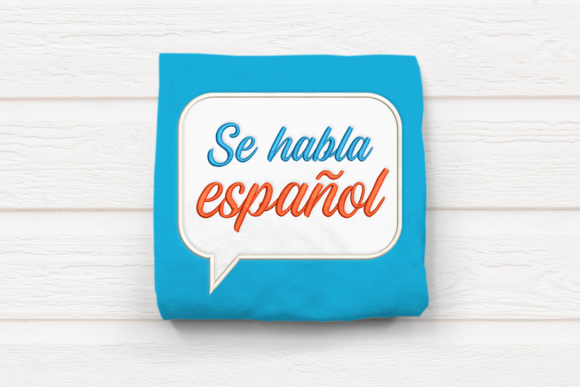
The concept is instantly charming. A speech bubble appliqué containing the phrase "Se habla español" feels playful yet classic. It has a friendly, welcoming mood that transcends being merely decorative. This design isn't just pretty; it communicates identity and heritage. For a customer seeking a gift that celebrates bilingualism, family roots, or a love for the Spanish language, this design hits a sweet emotional note. It feels handmade and personal, not mass-produced. The appliqué element adds a tactile, dimensional quality that suggests care and craft, elevating it beyond simple text embroidery.
Envisioning the Finished Personalized Gift
In my shop, a customer might request this for a baby blanket to welcome a newborn into a bilingual family. It could adorn a kitchen towel for a home cook who shares their culture through food. I imagine it on a custom tote bag for a teacher or traveler, or delicately placed on a pillow cover for a college student's dorm. The design has a versatility that spans occasions: a romantic touch for a wedding keepsake for a couple blending cultures, a cheerful addition to nursery decor, or a personalized apron for a family gathering. For craft fair products or Etsy listings, this design acts as a beautiful flagship, showcasing that my shop offers culturally thoughtful custom embroidery.
Practical Application Across Products
The key to success with any machine embroidery design is matching it to the right product. The Spanish Se Habla Español Appliqué would shine on items where the message is central and the fabric can support the detail.
- Baby Embroidery: On a blanket or romper, it creates a cherished heirloom. However, baby clothes are often stretchy, requiring excellent stabilizer.
- Home Goods: Kitchen towels, pillow covers, and aprons are perfect canvases. The design adds perceived value, transforming a simple item into a unique handmade product.
- Wedding Gifts & Family Keepsakes: Embroidered on a linen table runner or framed hoop art, it becomes a timeless memento.
- Craft Fair & Etsy Products: This design creates high engagement. A well-photographed embroidered towel with this design tells a story, building customer trust in your handmade quality.
Where Caution is Needed: Fabric and Details
Not every product is an ideal match. As a professional, I note areas for careful testing before running a real customer order.
- Small Lettering: The text inside the bubble must be清晰. On textured fabric like thick terry towels, stitch density needs to be perfect to prevent lettering from getting lost.
- Delicate Details & Curved Surfaces: The appliqué outline and speech bubble shape require smooth stitching. On a curved surface like a hat, hoop placement is critical.
- Dark Fabric: Thread color contrast is paramount. A test on dark scrap fabric is essential to ensure the phrase pops.
- High-Wash Items: For baby items or towels that need frequent washing, robust stitching and durable thread will maintain the handmade quality over time.
The Giftability Factor and Customer Connection
This design inherently boosts giftability. It feels specialized and thoughtful. A buyer isn't just purchasing a pillow; they're giving a symbol of language and connection. This emotional resonance increases the perceived value of your finished product. For an Etsy seller or small shop owner, offering such designs builds a niche. Customers seeking personalized gifts for South American heritage, Spanish teachers, or multicultural families will be drawn to it. In product photography, the design provides a focal point that is both visual and narrative, helping your listings stand out.
It also encourages custom order previews. A customer might ask, "Can you put this on a blanket for my granddaughter?" Using a printable mockup or a photo of a test stitch on a similar fabric builds immense trust. They see you as a craftsman who understands the sentimental weight of their request.
Essential Embroidery Notes Before Selling
Before adding this to my product line, my studio process involves several checks. I never skip these steps, as they protect the quality of my work and my customer's satisfaction.
- Test on Scrap Fabric: Always run the embroidery file on the exact type of fabric you intend to use—linen, cotton, terry cloth—to observe stitch outcome.
- Check Thread Color Contrast: Test both light and dark fabric backgrounds. The design might require different thread palettes for each.
- Confirm Hoop Size: While the specific size isn't stated here, I must ensure my machine's hoop accommodates the entire design comfortably for a clean finish.
- Review Stitch Density & Small Details: After stitching, inspect the text and appliqué edges closely. Are they crisp? Does the density feel secure for the product's use?
- Use Proper Stabilizer: Match the stabilizer to the fabric weight and stretch. This is especially crucial for baby clothes or tote bags.
- Compare Light and Dark Mockups: Create digital mockups for my shop listings to show customers how the design would look on different products.
- Confirm Commercial Licensing: Crucially, I must verify the license terms of the digital embroidery file itself before selling any finished products. This is a non-negotiable step for any small business owner.
A Design for Meaningful Craft
The Spanish Se Habla Español Appliqué design, from my testing perspective, is more than a digital file. It's a tool for creating gifts that carry heart. It suits makers who value stories as much as stitch quality. For embroidery designers crafting baby embroidery, wedding gifts, or everyday items meant to be cherished, this design offers a blend of playful style and deep personalization. Its success on a finished product—a blanket, a towel, a pillow—hinges on our careful craftsmanship. By testing thoroughly, choosing the right fabrics, and understanding the customer it attracts, we can turn this design into a beloved handmade product that truly speaks to someone.