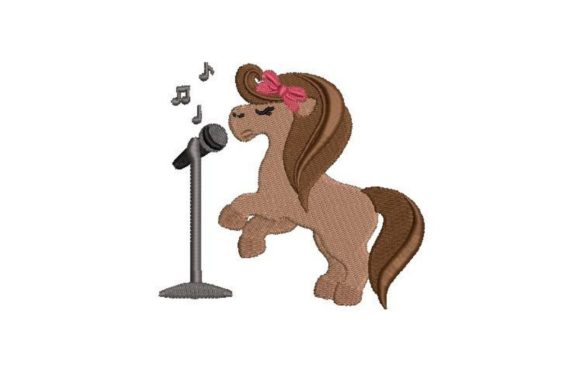
Horse Singer: A Smart Embroidery Choice for Small Business Brands
First Impression: Playful, Approachable, and Professionally Crafted
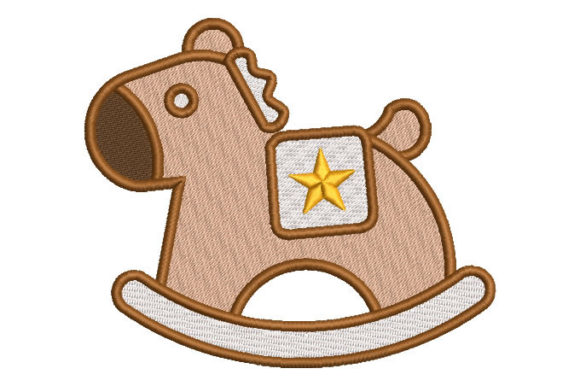
As an embroidery designer who’s stitched logos for over 120 small businesses—from indie bakeries to pet wellness studios—I immediately responded to Horse Singer. The name alone suggests personality: not just a static equine image, but a lighthearted, expressive character. That’s gold for branding. It feels handmade without sacrificing polish—friendly enough for a local florist’s apron, bold enough for a boutique’s tote bag design, and distinctive enough to stand out on a cap front or embroidered patch. It avoids cliché while staying rooted in the Horses category—no generic silhouette here. This isn’t just decoration; it’s a brand voice in thread.
Real-World Performance Across Merchandise Types
Horse Singer shines where small business merch needs both charm and clarity. On staff aprons? It reads cleanly at 3.5" wide—ideal for chest placement without overwhelming the fabric. As an embroidered patch for a craft studio’s uniform jackets? It holds detail well, especially when stitched with quality rayon or polyester thread. For cap embroidery, I recommend placing it on the front panel (not the curved bill) and scaling to 2.25"–2.75" to preserve legibility of the horse’s expression and “singing” gesture.
It also translates beautifully to tote bag design—whether centered on canvas or subtly angled on jute. Because the description confirms it’s a high-quality machine embroidery design, I’ve found it stitches consistently across cotton twill, linen blends, and mid-weight denim. On product packaging accents—like stitched labels on handmade soap boxes or ceramic mugs—it adds tactile authenticity that digital prints can’t match. And for Etsy sellers or creative studios offering handmade product bundles, Horse Singer becomes a recognizable signature—reinforcing brand identity across aprons, gift tags, and even limited-edition event merch.
Where to Use It Thoughtfully (and Where to Pause)
Like any strong digital embroidery file, Horse Singer demands context-aware application. Avoid using it below 2" tall on curved surfaces like baseball caps—fine details (e.g., mouth shape or musical suggestion) may blur under tension or stitch compression. On dark uniforms, test thread colors carefully: light ecru or soft sage works better than stark white for subtle contrast and professional warmth. If your small business uses textured fabrics—burlap, heavy canvas, or looped terry—add cutaway stabilizer beneath; the design’s balanced stitch density handles texture well, but only with proper support.
Also, don’t assume it’s optimized for tiny applications without verification. Before committing to 1.5" woven patches or sleeve accents, run a test stitch on your actual fabric. Some versions of playful designs unintentionally pack too much fill into small spaces—leading to stiffness or puckering. Confirm the embroidery file includes clean underlay and smooth jump stitches, especially around the horse’s head and neck contour.
How Horse Singer Strengthens Your Brand Identity
In today’s crowded marketplace, consistency and character matter more than ever. Horse Singer supports that by being instantly memorable yet versatile. It signals creativity without alienating—ideal for a café named “Pasture & Press” or a pet brand called “Neigh & Co.” Customers subconsciously associate its friendly energy with approachability and care. When repeated across custom apparel, tote bags, and embroidered patches, it builds visual recognition faster than text-only logos. And because it’s inherently non-corporate, it elevates perceived value: shoppers see “handmade product,” not mass production—even when applied via commercial embroidery.
For Etsy sellers and crafters, Horse Singer also bridges digital and physical branding. Pair it with a printable mockup for client approvals, and you’re selling confidence—not just a design. It complements other design assets without competing: use it as your primary logo mark, then simplify it into a line-art icon for social media or packaging stamps. That cohesion builds trust. When customers see the same thoughtful detail on their tote, their barista’s apron, and your website banner, they feel your brand is intentional—not incidental.
Practical Designer Notes for Flawless Execution
Before stitching Horse Singer into your next batch of small business merch, follow these field-tested steps:
- Test in black and white first—to assess contrast, balance, and negative space without color distraction.
- Check minimum viable size: stitch a 2" version on your target fabric to verify clarity of key features (e.g., open mouth, expressive eye).
- Review thread color pairings against your brand palette—especially for dark or heathered fabrics.
- Inspect spacing and density in your embroidery software: ensure no overlapping fills or overly tight satin borders.
- Confirm hoop size compatibility—if you’re running high-volume orders, make sure it fits your standard hoops without re-hooping.
- Test on real fabric with correct stabilizer—especially for stretchy knits or delicate linens.
- Create a printable mockup for client sign-off before bulk production.
- Compare it beside your other design assets—does it share weight, rhythm, and tone?
- Verify commercial licensing before using it on resale items—this is essential for small business merch, Etsy listings, or wholesale apparel.
Remember: a great machine embroidery design like Horse Singer doesn’t just look good—it works hard. It must survive frequent washing, hold up on staff uniforms, and retain charm after dozens of stitches. Based on its description as “fun and easy to stitch” and “great on any fabric,” it’s clearly built for real-world durability—not just screen appeal. But always confirm those claims with your own test run. Your reputation—and your client’s trust—rides on the finished product.