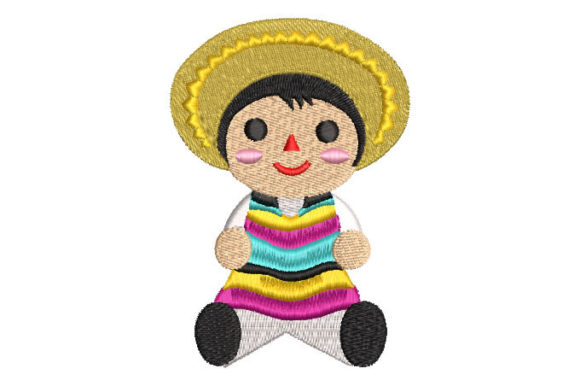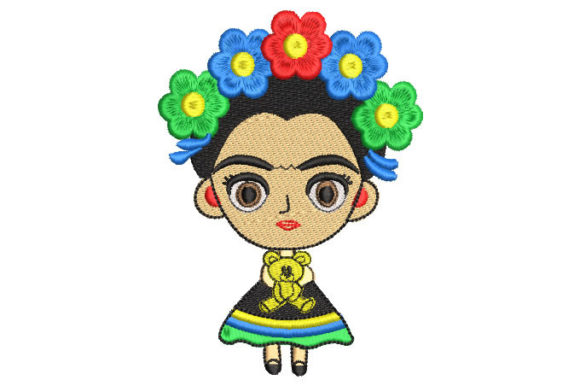
Child Doll Embroidery Design for Boutique Sweatshirt Projects
Every so often, a machine embroidery design lands in my Creative Fabrica library that immediately sparks a dozen apparel ideas before I even unzip the file. The Child Doll embroidery design did exactly that. I have been testing and curating embroidery files for boutique clothing collections for years, and this one carries a soft, nostalgic charm that feels genuinely versatile for sweatshirt and hoodie projects. If you build handmade apparel for Etsy, run a small clothing brand, or simply enjoy creating one-of-a-kind pieces, this design deserves a close look.
First Impression of the Child Doll Design
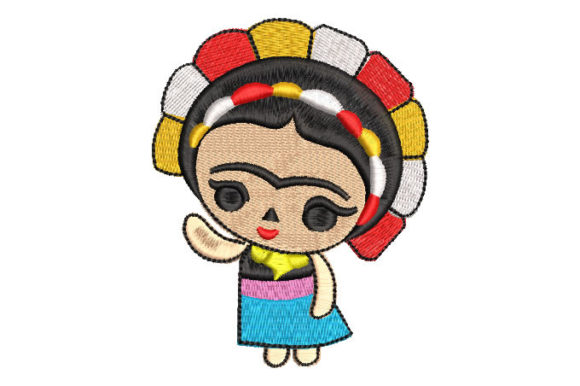
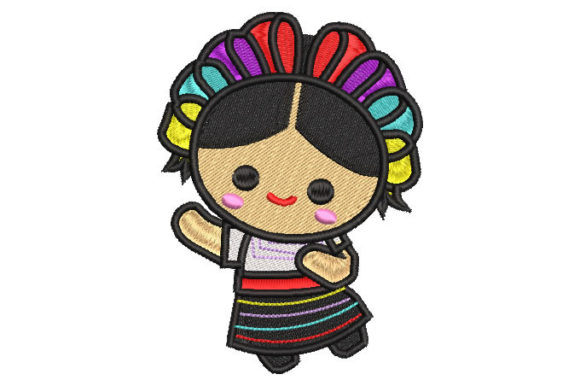
Opening the Child Doll design, the visual personality reads as tender, slightly whimsical, and quietly elegant. It does not scream for attention the way bold graphic motifs do. Instead, it whispers. The stitching mood leans feminine without being overly frilly, and there is a gentle decorative strength that makes it adaptable across multiple fabric types. I would place it somewhere between cute and classic, with a hint of rustic handmade warmth. For a boutique brand aiming at cozy seasonal outfits or keepsake-style childrenswear, this hits a sweet spot. It feels premium enough for a hero placement yet simple enough to work as a subtle accent on a sleeve or tote bag.
The Child Doll belongs to the Babies category on Creative Fabrica, which makes intuitive sense, but I would not limit it to infant projects. The motif translates beautifully onto youth sweatshirts, women's oversized hoodies, and even lifestyle accessories. The embroidery file promises adaptability across fabric types, and from my experience, that flexibility is gold when you are planning a cohesive product collection.
Planning a Boutique Sweatshirt Collection Around Child Doll
Imagine preparing a small sweatshirt collection for an online shop launch. You have neutral oatmeal crews, dusty pink hoodies, sage green pullovers, and maybe a few dark charcoal pieces for contrast. The Child Doll design sits perfectly on the chest of a soft pastel hoodie, stitched in muted thread tones that complement rather than overpower the garment color. On a neutral sweatshirt, you could go slightly bolder with thread choices, maybe a warm taupe or soft terracotta, to give the design a modern boho feel. On dark apparel, a cream or blush pink thread would create that coveted subtle-contrast look that photographs beautifully for Etsy listings and social media graphics.
I can see this working as a chest placement on oversized sweatshirts, as a back design scaled up on denim jackets, or even as a delicate sleeve accent on a ribbed knit cardigan. For tote bags, the design adds instant charm without making the item feel overly busy. The key is placement testing before committing to a full production run.
Sweatshirt Embroidery and Hoodie Chest Placement
For sweatshirt embroidery, the Child Doll design offers a balanced footprint that suits chest placement well. The motif does not appear to have overly dense stitch areas that would make fleece pucker, though as always, testing on a similar fabric weight is essential. A medium-weight cutaway stabilizer should handle most fleece and French terry fabrics without issue. I recommend hooping carefully and avoiding stretchy or ribbed fabric areas for primary placement, as curved surfaces can distort even the most well-digitized embroidery file.
Sleeve Accents and Back Designs
On sleeves, the design works best when scaled thoughtfully. A smaller version on a hoodie sleeve adds a subtle branded feel, almost like a signature detail. For back designs, you might scale up, but check the stitch density first. Large-scale embroidery on stretchy knit can become uncomfortable to wear if the stitch count is too high, so always confirm hoop size compatibility and run a test sew-out before scaling.
T-Shirt Embroidery and Lightweight Fabrics
On t-shirts and lighter cotton blends, Child Doll can shine with the right stabilizer choice. A fusible mesh or lightweight cutaway prevents tunneling while keeping the back of the embroidery soft against the skin. For boutique merchandise aimed at infants or toddlers, that soft backing matters enormously for comfort and buyer trust.
Tote Bag Design and Lifestyle Products
Canvas tote bags and linen pouches are where this design truly gets to breathe. The fabric texture adds a natural, organic backdrop that enhances the handmade feel. Stitch the Child Doll design in a single rich thread color on raw canvas, and you instantly have a product that photographs well for printable mockups and lifestyle product photos. For Etsy sellers offering personalized bundles, pairing an embroidered tote with a matching sweatshirt creates a compelling upsell opportunity.
Garment and Fabric Considerations for Child Doll
Not every garment surface is equally forgiving. Based on my experience, here is where you need extra care with this design:
- Stretchy fabric and ribbed areas: The design may distort if stitched directly onto ribbed cuffs, waistbands, or highly elastic blends. Keep placement on stable, flat fabric zones.
- Fleece and thick knits: Dense stitch areas can sink into plush fleece. Test with a topper to keep the stitches sitting cleanly on the surface.
- Dark garments: Light thread colors on dark fabric require precise tension. Any small gaps or loose stitches become immediately visible. Run a contrast test before final production.
- Curved surfaces: Sleeve caps, shoulder seams, and side placements can warp the design shape. Flat chest or back panels are safest.
- Tiny lettering if present: If the design includes small text details, verify that the stitch density holds up on your chosen fabric without blurring or thread breaks.
How Child Doll Elevates Apparel Value and Brand Identity
A single well-chosen embroidery design can shift how customers perceive your entire product line. The Child Doll motif brings a cohesive, gentle aesthetic that builds brand identity across multiple listings. When a buyer scrolls through your Etsy shop and sees the same thoughtful design language repeated on sweatshirts, hoodies, and totes, it creates visual consistency. That consistency builds trust. Trust turns browsers into buyers.
For small clothing brands and handmade business owners, product recognition matters. If someone spots your embroidered hoodie on social media and immediately knows it is from your shop, you have won half the branding battle. The Child Doll design, used consistently, can become that subtle signature. It also helps your finished product look intentional and professionally presented, which directly impacts buyer confidence and customer engagement.
Practical Embroidery Designer Notes Before Stitching
Before loading this design onto your machine and hooping your first sweatshirt, here is the checklist I follow for every new embroidery file, including Child Doll:
- Test on scrap fabric first: Use a fabric swatch that closely matches your final garment weight and texture.
- Check stabilizer choice: Cutaway for knits, tear-away for wovens, mesh for lightweight fabrics. Do not guess.
- Review thread color contrast: Stitch a small section to see how your chosen thread reads against the fabric. Lighting in your studio differs from how it looks in product photos.
- Confirm hoop size: Creative Fabrica typically includes size information in the product details. Check that your hoop accommodates the design comfortably without crowding the edges.
- Inspect stitch density: Run a full test sew-out. Look for puckering, thread breaks, or overly dense areas that make the fabric stiff.
- Test on similar garment fabric: A scrap of fleece is not the same as a finished hoodie with seams and thickness variations. Test accordingly.
- Compare placement options: Try left chest, center chest, sleeve, and back placements on a sample garment. Photograph each to compare visual impact.
- Check Creative Fabrica product details and licensing: Before selling finished apparel, verify that your intended use aligns with the commercial embroidery license terms provided on the product page.
Stitch Quality and File Preparation Insights
The product description notes that Child Doll is designed to embroider beautifully with any type of fabric you enjoy working with, and that it comes with multiple embroidery file formats. That flexibility is reassuring for anyone running a multi-fabric product line. However, I always advise confirming the exact file formats included before purchasing, especially if you use a machine that requires a specific proprietary format. The Creative Fabrica product page should list the available file types, hoop size recommendations, and any relevant stitch count details. If any of those specifics are not visible, reach out to the designer or check the description carefully before starting production.
Styling Ideas for Etsy Listings and Social Media
When photographing finished pieces featuring Child Doll, lean into soft, natural lighting and minimal backgrounds. A cream sweatshirt with this design stitched in dusty rose thread looks stunning against a linen backdrop with dried flowers. For social media graphics, close-up shots of the embroidery texture help convey quality, while lifestyle shots of the garment being worn build emotional connection. If you create printable mockups for your shop, this design offers a versatile visual that appeals to buyers browsing for baby shower gifts, boutique childrenswear, and cozy seasonal outfits.
Final Thoughts on Using Child Doll for Your Apparel Line
The Child Doll machine embroidery design brings a lot of quiet value to a boutique apparel collection. It is not loud. It is not trendy in a fleeting way. It carries a timeless, handmade quality that resonates with customers looking for something sweet, thoughtful, and well-crafted. Whether you stitch it onto a pastel hoodie for a spring drop or a dark oversized sweatshirt for a cozy winter edit, the design holds its own. For Creative Fabrica users building a small shop product line, this digital embroidery file earns its place in your library. Take the time to test thoroughly, choose your thread palette with intention, and let the design do what it does best: add a gentle, memorable touch to your finished product.