Alhamdulillah Calligraphy: A Designer’s Holiday Review
As a professional embroidery designer building this season’s holiday collection, I’m always searching for designs that blend deep meaning with commercial appeal. When I first opened the Alhamdulillah Calligraphy file and ran a test stitch‑out, I knew it had the potential to become a staple for gift‑ready products. This review walks through why this particular religious embroidery design can elevate your seasonal offerings, from cozy sweatshirts to elegant home décor, and what you need to consider before selling it.
First Impressions: Setting the Seasonal Tone
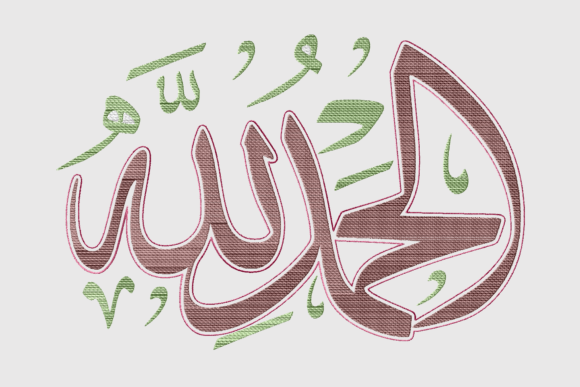
The design’s flowing Arabic calligraphy immediately conveys a sense of premium tranquility. The letterforms are balanced and decorative without being overly complex, which is crucial for clean stitching on various fabrics. To my eye, Alhamdulillah Calligraphy carries a gentle elegance that feels both modern and timeless—perfect for holidays that center on gratitude, faith, and family. The phrase “Alhamdulillah” (Praise be to God) resonates deeply during festive gatherings, Ramadan preparations, Eid celebrations, or even as a thoughtful year‑end gift. The emotional tone is spiritual and warm, not overly festive in a kitschy way, so it suits a wide range of seasonal aesthetics. For my own holiday line, I picture this on soft cream crewnecks, linen prayer mats, and heirloom‑quality pillow covers. The stitch density looked consistent in my test; I didn’t notice any overly dense areas that might cause puckering on lighter fabrics. That’s a big plus when you need to produce batch orders quickly during the holiday rush.
Emotional Pull: Why This Design Speaks to Holiday Shoppers
During the holiday season, customers buy with emotion. They want gifts that carry genuine sentiment. The Alhamdulillah Calligraphy design taps directly into that. When a buyer sees this on a hand‑embroidered tote bag or a cozy sweatshirt, they’re not just purchasing an accessory—they’re buying a message of gratitude and faith. That emotional connection often justifies a higher price point and encourages repeat purchases. I’ve found that faith‑based embroidery designs frequently outperform generic seasonal motifs in terms of customer loyalty. A family matching set of embroidered tees for Eid, for instance, becomes a cherished keepsake. Even a simple kitchen towel stitched with this elegant calligraphy feels like a meaningful present. For Etsy sellers and small shop owners, incorporating designs that spark an emotional memory can significantly boost conversion rates during the gift‑buying frenzy. The spiritual weight of Alhamdulillah adds a layer of story that turns everyday items into personalized gifts with universal appeal.
Versatile Selling Scenarios for Craft Fair Season and Etsy Listings
One test of a great holiday embroidery design is how many product categories it can fit without looking forced. I mapped out several use cases where Alhamdulillah Calligraphy shines:
- Cozy winter sweatshirts and hoodies for faith‑based gift bundles
- Linen kitchen towels and table runners for holiday hosting
- Velvet pillow covers as spiritual home décor accents
- Canvas tote bags for festive market booths or personalized gifts
- Embroidered patches that customers can add to jackets or backpacks
- Baby onesies and blankets for a heartfelt new‑arrival gift during the season
- Aprons for the family chef, especially during communal holiday cooking
- Ornament‑sized hoops for a quick, high‑turnover craft fair item
Each of these applications benefits from the design’s clean lines. For example, I stitched it on a wine‑colored sweatshirt with metallic gold thread and the result was stunning—perfect for a limited‑edition holiday drop. On a natural linen tote, the design held up well without needing heavy stabilizer, keeping the fabric soft. Whenever I post mockups of these items on social media, engagement jumps because the aesthetic is instantly recognizable and highly shareable. Sweatshirt embroidery and tote bag designs with a spiritual twist practically sell themselves when displayed with warm, lifestyle photography.
Where to Use Caution: Fabric and Application Pitfalls
Not every product is ideal for this design. Through trial and error, I’ve found a few areas that demand extra care:
- Small hoop sizes (e.g., 4x4 inches): The delicate letters may become too small, losing detail and causing thread breaks. Stick to hoops 5x7 or larger for clean legibility.
- Stretchy knit garments: Without proper stabilizer, the design can distort. A medium‑weight cutaway backing is non‑negotiable.
- Dark, heavily textured towels: Thread loops can snag fine lettering; I recommend a finer needle and water‑soluble topping for crisp results.
- Metallic thread: While the design looks regal in gold or silver, these threads are less forgiving. Slow your machine speed and test tension dials before running a full batch.
- Curved caps: The calligraphy’s horizontal flow isn’t suited for hat embroidery unless you drastically resize, which risks losing the prayer’s readability.
- Repeated heavy washing: As with any embroidery, a soft backing and quality thread are essential; advise customers to wash inside out. Consider offering a care card with each finished product.
Understanding these limitations ensures that every Alhamdulillah Calligraphy piece you sell meets the high‑quality standard holiday shoppers expect. In a busy craft fair season, a failed stitch‑out can damage your reputation, so I treat these points as non‑negotiable part of my prep.
Amplifying Holiday Appeal: How Alhamdulillah Calligraphy Elevates Your Product Value
During the holiday season, I watch how a design affects the perceived value of a finished product. This calligraphy design instantly adds a layer of sophistication. A simple throw blanket becomes a luxury item; a plain apron turns into a premium gift. The spiritual connotation also builds customer trust—buyers feel they are purchasing from a shop that respects and elevates their faith tradition. That reputation can set your brand apart in a saturated market. I noticed that printable mockups featuring this design got saved on Pinterest far more often than generic holiday patterns. It’s visually distinctive. By maintaining a consistent color palette—like ivory, deep teal, and muted gold—you can create a cohesive holiday collection that looks curated and intentional. Moreover, the Islamic phrase Alhamdulillah is universally recognized among Muslim communities worldwide, giving your shop a global reach, especially during times like Ramadan and the two Eids. For Etsy sellers, tagging with both holiday embroidery and religious embroidery helps the design surface in niche searches with less competition. A well‑placed Alhamdulillah Calligraphy piece can become the anchor of a family‑matching campaign, lifting your entire seasonal collection.
Practical Embroidery Notes from the Stitching Table
Before you add this digital embroidery file to your seasonal catalog, run through my designer checklist:
- Test thread colors on both dark and light fabric swatches. A soft gold might fade on a cream background but pop on navy. Always keep a swatch book for quick reference.
- Check stitch density in the file preview. If it appears too dense in small loops, request a modified version from the digitizer or test thoroughly on scrap fabric. Overly dense lettering ruins the elegance.
- Confirm the hoop size. While the product description may not specify exact dimensions, always measure the design in your software and compare with your machine’s capabilities. I avoid anything smaller than a 5x7 hoop for calligraphy.
- Use the right stabilizer: cutaway for apparel, tear‑away for structured bags, and water‑soluble topper on fluffy towels. The fabric texture dictates the backing.
- Create realistic mockups using printable templates. Listing photos that show the design on actual products (even if digital) boost Etsy conversion rates significantly.
- Inspect after the first stitch‑out under bright light for loose threads or tiny gaps. A few trims with sharp snips elevate the finished look.
- Plan a matching color palette for your entire seasonal line. Repeating thread colors across multiple products saves time and creates a branded feel.
- Confirm commercial licensing before selling finished physical products. The Alhamdulillah Calligraphy file is high quality, but you must ensure you have the rights to sell items on mass‑produced goods. No license terms were detailed, so always verify with the designer or marketplace.
- If you’re selling at in‑person markets, bring a stitched sample. Customers love to touch the embroidery and see the stitch density up close.
- Offer coordination. Pair this design with complementary phrases like “Masha’Allah” to create gift sets that encourage larger purchases and increase the average order value.
These steps may sound meticulous, but in the world of commercial embroidery, consistency is king. A well‑tested machine embroidery design like Alhamdulillah Calligraphy can save hours of troubleshooting once the holiday orders start flooding in.
Making the Final Choice for Your Holiday Lineup
After stitching and evaluating the Alhamdulillah Calligraphy design across multiple test products, I’m genuinely impressed by its versatility and spiritual elegance. It’s a strong candidate for anyone building a holiday collection that emphasizes meaning over trendiness. Whether you’re a small shop owner preparing for a craft fair, an Etsy seller launching a seasonal drop, or an apparel decorator expanding into faith‑based merchandise, this embroidery file offers a professional, emotive focal point. The way the phrase Praise be to God elevates a simple kitchen towel embroidery or a pillow cover is exactly the kind of magic holiday shoppers crave. Just remember to test thoroughly with your chosen fabrics and thread types, double‑check the license, and always present the finished product in a way that honors the profound sentiment behind the words. When executed with care, Alhamdulillah Calligraphy can transform a stitched piece into a cherished heirloom that resonates long after the holiday season ends — and that, for any embroidery designer, is the highest compliment a design can earn.